

Winter in De Pere and Green Bay isn’t mild. When temperatures drop below freezing for days — sometimes weeks — at a time, your heating system works overtime. In Northeast Wisconsin, it’s not unusual for furnaces to run from October through April. That extended heating season can lead to noticeably higher utility bills if your system isn’t operating efficiently.
The good news? There are practical, proven ways to reduce your home’s energy costs without sacrificing comfort.
At Hockers Home Services, we’ve helped Wisconsin homeowners improve heating efficiency for over 30 years. With the right maintenance, smart upgrades, and a few strategic adjustments, you can lower your winter energy bills while keeping your home warm and comfortable.
If your heating costs are rising or your system isn’t keeping up, call Hockers Home Services today for expert heating service in De Pere and the greater Green Bay area.
Why Winter Energy Bills Climb in Wisconsin
Heating accounts for the largest portion of energy use during Wisconsin winters. Several factors contribute to rising costs:
- Long heating seasons
- Subzero overnight temperatures
- Poor insulation
- Air leaks
- Aging heating systems
- Dirty filters or restricted airflow
Because furnaces operate so frequently in Northeast Wisconsin, even small inefficiencies can lead to noticeable increases in monthly bills.
Understanding where energy is lost is the first step toward controlling costs.
Start With a Professional Furnace Tune-Up
One of the most effective ways to reduce energy bills is scheduling annual furnace maintenance.
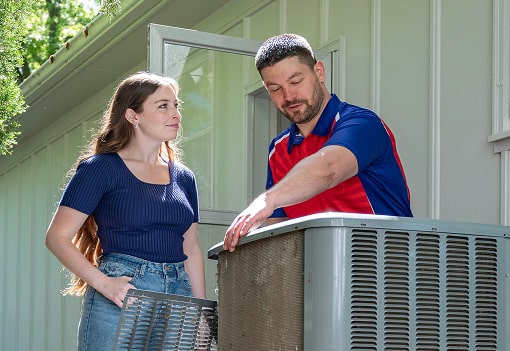
Over time, dust, debris, and normal wear reduce efficiency. A professional tune-up ensures your system runs safely and at peak performance.
During a winter maintenance visit, Hockers Home Services technicians:
- Clean burners and components
- Inspect the heat exchanger
- Test airflow performance
- Check thermostat calibration
- Verify safe combustion
- Inspect electrical connections
A properly tuned furnace doesn’t have to work as hard to produce heat, which directly reduces fuel consumption.
Schedule service with Hockers Home Services before peak winter demand to maximize efficiency.
Replace Air Filters Consistently
Dirty air filters are one of the most common causes of energy waste.
When airflow becomes restricted, your furnace must run longer to achieve the desired temperature. That increases:
- Energy use
- System strain
- Utility costs
During winter, filters should typically be replaced every 1–3 months, depending on:
- Household size
- Pets
- Dust levels
- Furnace runtime
Many homes in Green Bay experience heavier furnace use during extended cold spells, making filter maintenance especially important.
Seal Air Leaks Around the Home
Even the most efficient furnace can’t compensate for heated air escaping through gaps.
Common air leak areas include:
- Window frames
- Door thresholds
- Attic access points
- Basement rim joists
- Utility penetrations
During subzero De Pere nights, small drafts can significantly increase heating demand.
Sealing leaks with weatherstripping and caulk helps retain heat and reduce furnace workload.
Improve Insulation Where It Matters Most
Insulation slows heat transfer, helping your home maintain a consistent indoor temperature.
Key areas to evaluate include:
- Attic insulation
- Basement walls
- Crawl spaces
- Garage ceilings
In older Northeast Wisconsin homes, attic insulation is often below modern standards. Heat naturally rises, and without sufficient insulation, warmth escapes quickly.
Upgrading insulation improves comfort and lowers long-term energy costs.
Upgrade to a Smart Thermostat
Smart thermostats are especially beneficial in cold climates like Wisconsin.
They allow homeowners to:
- Lower temperatures while away
- Automatically adjust overnight settings
- Monitor energy usage
- Optimize heating schedules
Even reducing your thermostat by two degrees during sleeping hours can lead to noticeable savings over a five-month heating season.
If you’re considering smart thermostat installation, contact Hockers — your trusted Wisconsin home comfort experts.
Consider Equipment Age and Efficiency Ratings
If your furnace is more than 15–20 years old, it may operate at significantly lower efficiency compared to modern systems.
Older furnaces may operate at 70–80% efficiency, meaning 20–30% of fuel is wasted. Modern high-efficiency models can exceed 95% efficiency.
In Wisconsin’s extended heating season, upgrading to a high-efficiency furnace can reduce annual heating costs substantially.
Hockers Home Services provides honest system evaluations to determine whether repair or replacement offers better long-term savings.
Address Ductwork Leaks and Airflow Issues
Leaky ducts can waste heated air before it reaches your living spaces.
Common signs of duct inefficiency include:
- Uneven room temperatures
- Cold spots
- High energy bills
- Excess dust
Professional duct sealing improves airflow and reduces wasted heat.
In many Green Bay homes, duct leaks go unnoticed for years, quietly increasing heating costs.
Use Ceiling Fans to Circulate Warm Air
Warm air naturally rises. During winter, much of the heated air in your home accumulates near the ceiling.
Running ceiling fans clockwise at a low speed helps push warm air downward, improving temperature balance and reducing furnace runtime.
This small adjustment enhances comfort without increasing energy usage.
Manage Indoor Humidity Levels
Humidity plays an important role in how warm your home feels.
Air that’s too dry can feel cooler, causing homeowners to raise thermostat settings unnecessarily.
Maintaining balanced humidity levels allows you to feel comfortable at slightly lower temperatures.
Whole-home humidifiers can improve comfort during Wisconsin’s dry winter months while supporting respiratory health.
Be Mindful of Daily Heating Habits
Small daily adjustments make a difference over time.
Consider:
- Opening curtains during sunny days for passive solar gain
- Closing blinds at night to reduce heat loss
- Keeping interior doors open for better circulation
- Avoiding constant thermostat adjustments
Consistency improves system efficiency and reduces unnecessary cycling.
Prevent Frozen Pipes and Emergency Repairs
While reducing energy use is important, preventing costly winter damage is equally critical.
Maintaining consistent indoor temperatures protects against:
- Frozen pipes
- Ice dam formation
- Excess moisture buildup
Lowering the thermostat too drastically during extreme cold can increase risk.
A balanced, efficient heating strategy ensures both comfort and protection.
Need help fast? Contact Hockers — your trusted Wisconsin home comfort experts.
The Long-Term Benefits of Winter Efficiency
Reducing energy bills isn’t just about short-term savings.
Improved efficiency:
- Extends furnace lifespan
- Reduces repair frequency
- Maintains manufacturer warranties
- Enhances indoor comfort
- Supports environmental responsibility
In Northeast Wisconsin, where heating systems operate for nearly half the year, efficiency improvements have long-lasting impact.
Stay Warm Without Overspending
Wisconsin winters are demanding, but your energy bills don’t have to be overwhelming. With professional furnace maintenance, smart technology, improved insulation, and mindful heating habits, you can reduce winter energy costs while maintaining reliable comfort.
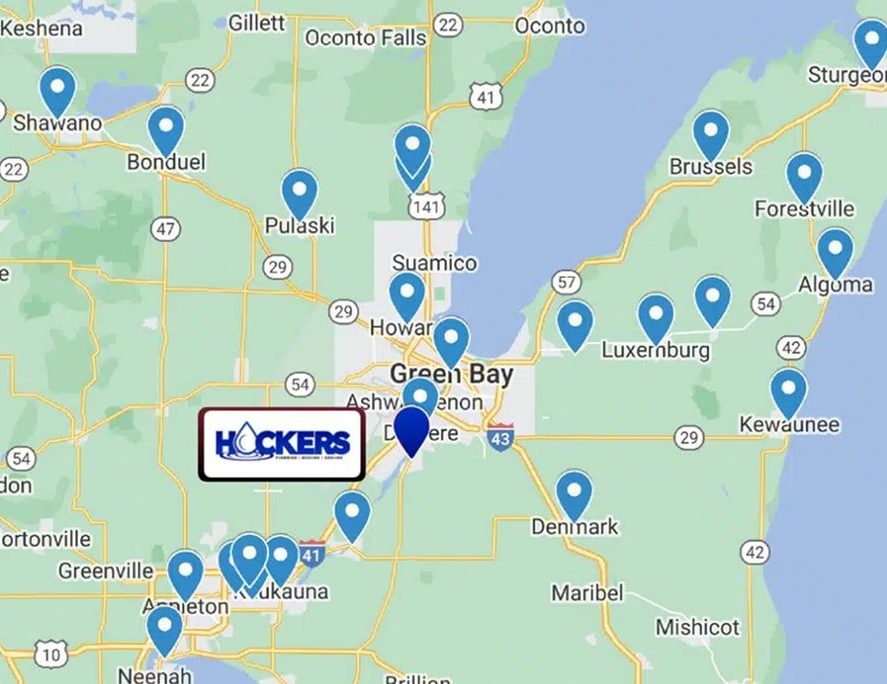
Hockers Home Services has proudly served De Pere, Green Bay, and Northeast Wisconsin homeowners for over 30 years with expert heating solutions built on craftsmanship, honesty, and family values.
If you’re ready to lower your winter energy bills and improve heating efficiency, call Hockers Home Services today for professional heating service in Northeast Wisconsin.
Hockers Home Services is proud to offer financing options through Ally!
We understand the wide variety of financial circumstances, and are proud to offer financing options in order to keep your home comfortable, starting today.
LEARN MORE