
Chalky marks around a faucet can be a clue that minerals are building up where water dries. If those marks keep returning, you may wonder what is happening inside the plumbing too. For Wisconsin homeowners, understanding water hardness is a useful first step before choosing a treatment system.
What makes water hard?
Hardness comes mainly from dissolved calcium and magnesium. Water can pick up these minerals as it moves through soil and rock. The U.S. Geological Survey explains water hardness and how mineral content affects everyday water use.
Your home’s result matters more than a statewide assumption. Start with a hardness test or ask your water supplier for information about the water delivered to your area.
Where mineral buildup shows up
At fixtures, deposits may collect around the faucet opening or showerhead. In the bathroom, you may notice persistent soap residue. These observations can help you describe the problem, but they do not replace a water test.
Scale can also form in water heaters and other appliances. Buildup can interfere with water flow and heat transfer. That is a reason to review maintenance with a professional, especially if equipment performance has changed.
A softener needs to match the household
A water softener removes hardness minerals through an exchange process. It should be selected for the measured hardness and the amount of water your household uses. The EPA guide to water softeners explains sizing and how regeneration affects water use.
If you are considering water softener installation, gather your water test results and recent water bills before the discussion. Tell the plumber about existing treatment equipment so the recommendation accounts for what is already installed.
Hardness is only one part of water quality
A hardness result does not answer every question about your water. A softener is intended for hardness and is not a solution for all contaminants. Wisconsin residents can use the DNR drinking water data resources to learn more about public water supplies.
If your concern is staining or an unusual change in the water, explain that separately. The appropriate testing and treatment depend on the problem you want to address.
What if you already have a softener?
If scale has become noticeable again, note when the change began. Have the softener’s model and service history available when you contact a plumber. Follow its manufacturer’s maintenance instructions and ask for an assessment if you are unsure whether it is operating as intended.
Hockers offers water softener repair and can discuss the next step for your equipment. A water heater maintenance visit may also be worth discussing if hot water performance is part of the concern.
Bring your questions to Hockers
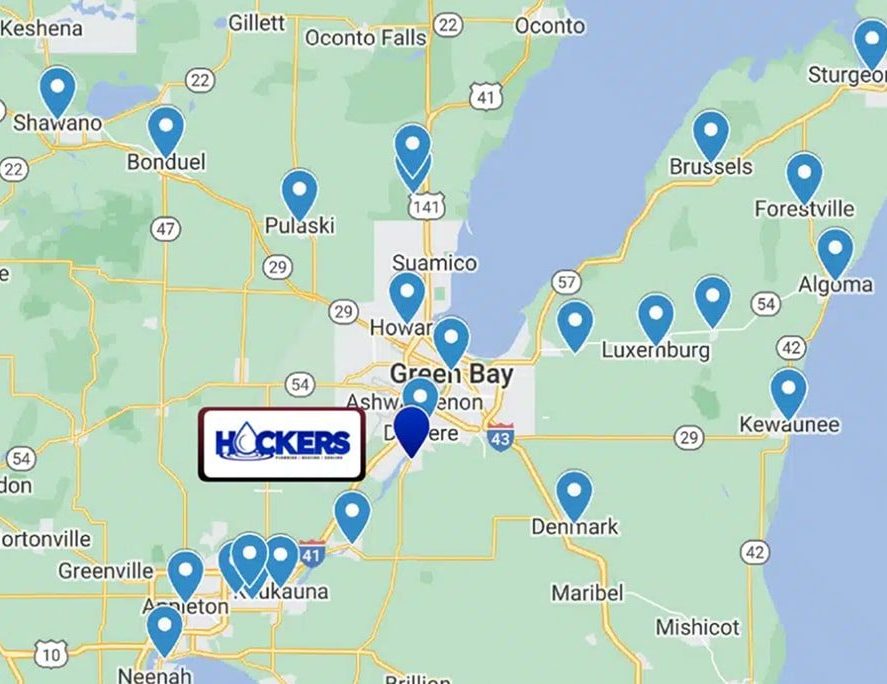
You do not have to choose a new treatment system before asking for help. Tell us what you see at the fixtures and what has changed in daily use. Contact Hockers Home Services to discuss your plumbing and arrange an assessment for your Green Bay area home.
Hockers Home Services is proud to offer financing options through Ally!
We understand the wide variety of financial circumstances, and are proud to offer financing options in order to keep your home comfortable, starting today.
LEARN MORE