

As homes in De Pere and Green Bay continue to add new appliances, smart devices, and electric vehicle chargers, electrical systems are working harder than ever. But many homeowners don’t realize their home has a limit — and exceeding it can lead to frequent breaker trips, overheating wires, or even fire hazards.
At Hockers Home Services, we help Northeast Wisconsin homeowners understand their electrical systems and ensure they can safely support modern energy demands. Knowing your home’s electrical load capacity isn’t just about convenience — it’s about safety, efficiency, and protecting your investment.
If you’re unsure whether your panel can handle your household’s power needs, call Hockers Home Services today for professional electrical evaluation in De Pere and the greater Green Bay area.
What Is Electrical Load Capacity?
Electrical load capacity refers to the total amount of electricity your home’s system can safely handle at one time. This is determined by:
- Your electrical panel rating (measured in amps)
- Circuit breaker configuration
- Wire size and condition
- Overall system design
Most older homes in Northeast Wisconsin were built with 100-amp service. Today, many newer homes use 200-amp panels to support increased electrical demand.
As families add:
- Central air conditioning
- Hot tubs
- Home offices
- Kitchen upgrades
- Electric vehicle chargers
Electrical systems can quickly approach their maximum load.
Why Electrical Load Matters for Wisconsin Homes
In colder climates like Green Bay and De Pere, electrical systems often face seasonal strain.
During winter months, homeowners may run:
- Furnaces or boilers
- Space heaters
- Humidifiers
- Holiday lighting
- Sump pumps
In summer, high humidity and heat bring heavy AC usage.
When multiple high-demand appliances run simultaneously, your panel must distribute power safely without overheating.
If your system is undersized, you may experience:
- Frequently tripped breakers
- Flickering lights
- Burning smells
- Buzzing from the panel
- Warm breaker box surfaces
If you notice these signs, contact Hockers — your trusted Wisconsin home service experts — before a minor issue becomes a major hazard.
How to Determine Your Home’s Amp Service
The easiest way to identify your electrical service capacity is to check the main breaker at your panel. It will typically display:
- 100 amps
- 150 amps
- 200 amps
However, amp rating alone doesn’t tell the full story. A professional load calculation considers:
- Square footage
- Major appliances
- Heating and cooling systems
- Kitchen equipment
- Specialty additions (EV chargers, hot tubs, workshops)
At Hockers Home Services, our licensed technicians perform thorough evaluations to ensure your system aligns with your household’s needs.
Common Signs You May Need an Electrical Panel Upgrade
Older homes in De Pere and surrounding Brown County communities often show warning signs of outdated panels.
1. Breakers Trip Frequently
Occasional tripping is normal. Constant tripping is not.
2. You Still Have a Fuse Box
Fuse systems are outdated and struggle to support modern loads.
3. You’re Planning a Remodel
Kitchen renovations, basement finishing, or home additions significantly increase electrical demand.
4. You’ve Installed Major Appliances
Electric dryers, induction cooktops, and HVAC upgrades add substantial load.
5. You’re Adding an EV Charger
Electric vehicle chargers require dedicated high-amperage circuits.
Need help determining if your panel is outdated? Schedule service with Hockers Home Services for a professional electrical inspection.
How Electrical Load Calculations Work
A professional load calculation follows National Electrical Code (NEC) standards and includes:
- Base load per square foot of living space
- Appliance load (oven, dryer, water heater, etc.)
- HVAC system demand
- Continuous vs. non-continuous load factors
- Future expansion considerations
This process ensures your panel is not overloaded under peak usage conditions.
Many homes in Northeast Wisconsin were not originally designed for today’s energy consumption levels. That’s why professional evaluation is essential.
Why Overloaded Panels Are Dangerous
Overloading your electrical panel can lead to:
- Overheated wires
- Damaged insulation
- Electrical arcing
- Increased fire risk
Circuit breakers are designed to shut off power when loads exceed safe levels. If breakers are constantly tripping, that’s your system warning you.
In some cases, older panels may not trip reliably — which creates serious safety concerns.
At Hockers Home Services, safety is always our top priority. Our licensed, insured technicians ensure your system meets current standards and operates safely.
Step-by-Step: What Happens During a Panel Upgrade
If your home requires a panel upgrade, here’s what to expect:
- Comprehensive system evaluation
- Permit coordination (if required)
- Safe power shutdown
- Removal of old panel
- Installation of new panel and breakers
- Code-compliant grounding and bonding
- Final inspection and testing
Upgrading your panel improves safety, increases capacity, and supports future home improvements.
Need help fast? Contact Hockers — your trusted Wisconsin home comfort experts.
Electrical Load and Smart Home Technology
As smart thermostats, security systems, and connected appliances become more common in Green Bay homes, electrical systems must adapt.
While many smart devices use minimal power individually, cumulative demand can impact older panels.
If you’re planning:
- Whole-home surge protection
- Smart lighting systems
- Generator integration
- Expanded home automation
It’s wise to confirm your electrical infrastructure can handle the load.
Repair vs. Replacement: When Is an Upgrade Worth It?
Not every electrical issue requires a full panel replacement. In some cases, adding a subpanel may provide sufficient capacity.
However, replacement is often recommended if:
- The panel is over 25–30 years old
- It’s rated under 100 amps
- It shows signs of corrosion or heat damage
- It cannot support modern HVAC systems
Hockers provides honest, transparent recommendations tailored to your home’s needs and budget.
Frequently Asked Questions About Electrical Load Capacity
Is 100 amps enough for a modern home?
In many cases, no. Most modern homes require 150–200 amps to operate safely.
Can I upgrade my panel myself?
Electrical panel upgrades should always be performed by licensed professionals due to safety and code compliance requirements.
Does upgrading increase home value?
Yes. Updated electrical systems improve safety, efficiency, and buyer confidence.
How long does a panel upgrade take?
Most upgrades can be completed in one day, depending on complexity.
Protect Your Home with a Safe, Modern Electrical System
Your electrical system powers every comfort feature in your home — from heating and cooling to lighting and appliances. Ensuring your home has adequate load capacity protects your family and supports future upgrades.
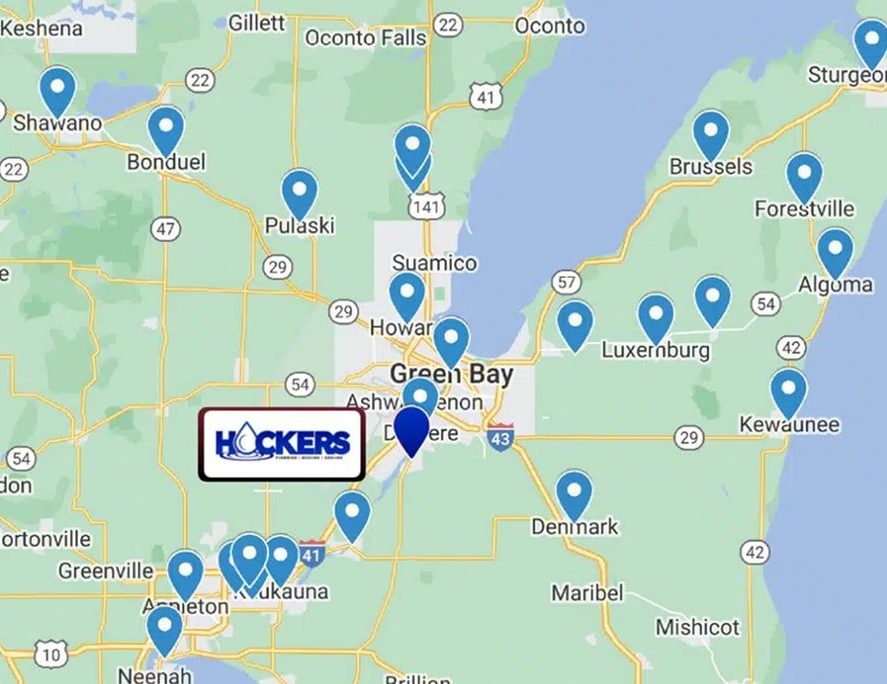
Hockers Home Services has proudly served De Pere, Green Bay, and Northeast Wisconsin for over 30 years with expert plumbing, heating, cooling, and electrical solutions built on honesty and craftsmanship.
If you’re concerned about your home’s electrical capacity or planning a renovation, call Hockers Home Services today for professional electrical service in Northeast Wisconsin.
Hockers Home Services is proud to offer financing options through Ally!
We understand the wide variety of financial circumstances, and are proud to offer financing options in order to keep your home comfortable, starting today.
LEARN MORE