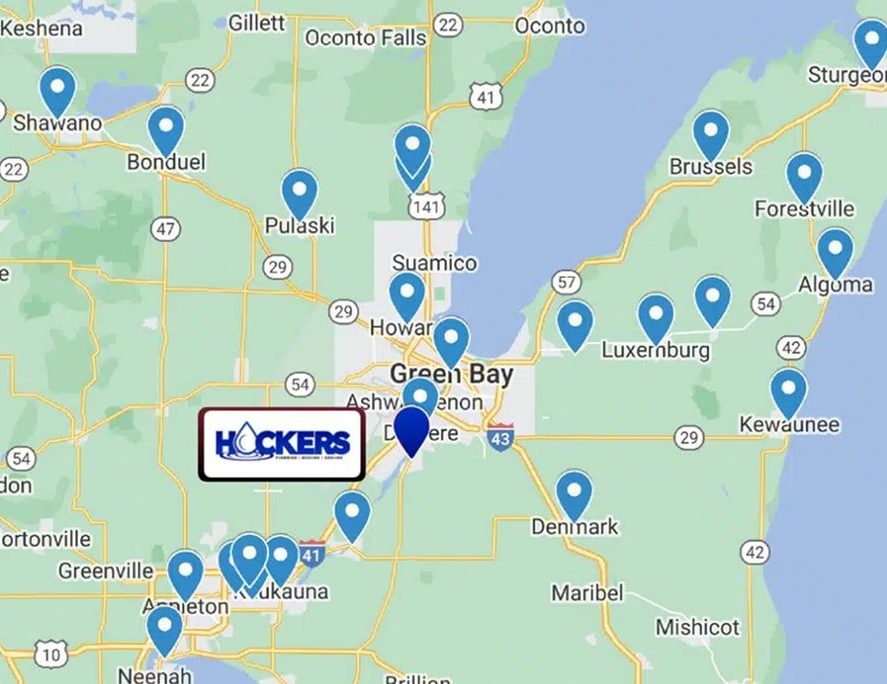


Hockers Home Services is proud to serve De Pere and the greater Green Bay area with reliable plumbing, heating, and cooling solutions designed to keep Wisconsin homes comfortable year-round. When winter arrives in Northeast Wisconsin, homeowners naturally shift into protection mode, sealing up drafts, insulating windows, and doing everything possible to keep cold air outside where it belongs.
These efforts are smart. They help reduce heating costs and improve energy efficiency during long Green Bay winters. But there’s a lesser-known downside to this approach that many homeowners don’t realize until it starts affecting their comfort and health.
It’s called the “Wisconsin Winter Seal.”
When your home becomes tightly sealed against the cold, it also traps indoor air, and everything in it. That includes dust, moisture, allergens, and airborne pollutants that would otherwise escape. Over time, this creates an environment where indoor air quality declines, sometimes significantly.
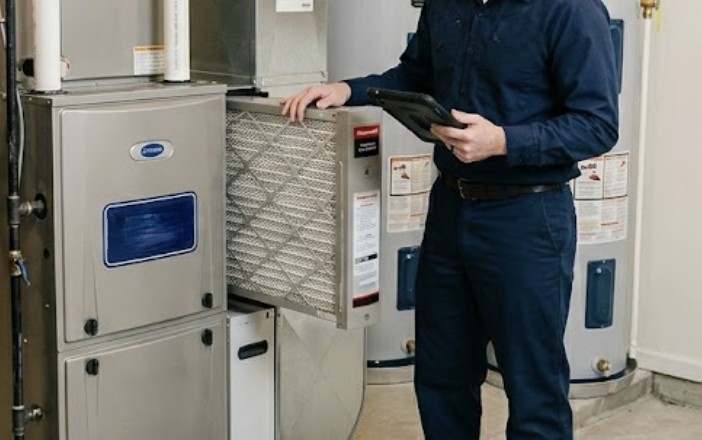
What Homeowners Need to Know About the “Winter Seal Effect”
In winter, your home operates very differently than it does in warmer months. Windows stay closed, doors remain sealed, and your heating system runs almost constantly. This creates a closed-loop environment where air is continuously recirculated.
In a well-sealed home:
- Fresh outdoor air rarely enters
- Stale indoor air has no way to escape
- Pollutants accumulate over time
This isn’t just a comfort issue, it’s a system-wide change in how your home “breathes.”
In Northeast Wisconsin, where winter temperatures can stay below freezing for extended periods, this effect is even more pronounced. Homes in De Pere and Green Bay are often built or upgraded to retain heat efficiently, which further limits natural ventilation.
What Gets Trapped Inside Your Home During Winter?
When your home is sealed tightly, everyday activities introduce contaminants into the air that remain inside longer than they should.
Common indoor pollutants include:
- Dust and dust mites from everyday living
- Pet dander that circulates through HVAC systems
- Cooking byproducts, including smoke and grease particles
- Volatile organic compounds (VOCs) from cleaning products, furniture, and building materials
- Moisture from showers, cooking, and laundry
- Carbon dioxide from breathing and occupancy
In the summer, some of these pollutants naturally dissipate when windows open or ventilation increases. In winter, they accumulate.
Why Wisconsin Winters Make Indoor Air Quality Worse
The “Winter Seal” isn’t just about sealing your home, it’s about how multiple seasonal factors combine to affect your indoor air.
1. Limited Ventilation
Opening windows isn’t practical when it’s 10°F outside. Without fresh air exchange, pollutants stay inside and continue to build.
2. Continuous Furnace Operation
Your heating system runs frequently, circulating the same air throughout your home. If filters are dirty or ducts contain dust, those particles are redistributed again and again.
3. Increased Indoor Activity
During winter, families spend more time indoors. More people in the home means:
- More moisture in the air
- More dust and allergens
- Higher carbon dioxide levels
4. Dry Air Conditions
Heating systems reduce humidity, which can:
- Irritate your respiratory system
- Make airborne particles more noticeable
- Increase static and discomfort
5. Hidden Moisture Sources
Even in winter, moisture builds up from:
- Showers
- Cooking
- Basements and crawl spaces
Without proper ventilation, that moisture stays trapped inside.
Signs Your Home Is Trapping Toxins
Many homeowners don’t immediately connect these symptoms to indoor air quality. Instead, they assume it’s just part of winter.
Common warning signs include:
- Dry, irritated skin or sinuses
- Frequent static electricity
- Persistent dust buildup
- Stale or stuffy air
- Lingering odors
- Increased allergy or asthma symptoms
- Headaches or fatigue
If multiple symptoms are present, your indoor air may not be as clean as it should be.
A Real-World Wisconsin Home Scenario
Let’s look at a typical situation in a Green Bay home during January.
The home is well-insulated. Windows are sealed with plastic. The furnace runs throughout the day and night. Everything seems fine—until subtle issues begin to appear.
- The air feels dry and uncomfortable
- Dust builds up quickly on surfaces
- Family members experience congestion or dry throats
- Certain rooms feel stuffy or stale
What’s happening?
The home is doing its job, keeping heat in, but it’s also trapping everything else inside. Over time, air quality declines, and comfort follows.
How Poor Indoor Air Quality Affects Your Health
Indoor air quality isn’t just about comfort, it directly impacts your well-being.
Short-Term Effects
- Dry throat and nasal irritation
- Coughing or sneezing
- Eye irritation
- Headaches
Long-Term Effects
- Worsened allergies
- Increased asthma symptoms
- Ongoing respiratory discomfort
- Reduced overall air quality tolerance
For families with children, pets, or individuals with respiratory sensitivities, these effects can be even more noticeable.
How the “Winter Seal” Impacts Your HVAC System
Your HVAC system is designed to circulate air, but it depends on clean, balanced airflow to operate efficiently.
When indoor air quality declines:
- Filters clog faster
- Airflow becomes restricted
- System efficiency drops
- Components experience more wear
Over time, this leads to:
- Higher energy bills
- More frequent maintenance needs
- Reduced system lifespan
Your heating system works harder, but your home may still feel less comfortable.
How to Improve Indoor Air Quality Without Losing Heat
The goal isn’t to undo your winter sealing efforts, it’s to balance efficiency with air quality.
Here are proven solutions:
1. Upgrade Your Air Filtration System
Standard filters capture basic particles, but higher-efficiency filters can trap:
- Smaller allergens
- Dust and debris
- Airborne contaminants
2. Add Controlled Ventilation
Systems like energy recovery ventilators (ERVs) bring in fresh air while retaining heat. This allows your home to “breathe” without sacrificing efficiency.
3. Install a Whole-Home Humidifier
Balanced humidity improves comfort and helps reduce dryness caused by heating systems.
4. Schedule Seasonal HVAC Maintenance
Professional maintenance ensures:
- Clean components
- Proper airflow
- Efficient system operation
Simple Steps Homeowners Can Take Right Away
Even small changes can make a difference:
- Replace air filters regularly (every 1–3 months)
- Use exhaust fans when cooking or showering
- Avoid overuse of harsh chemical cleaners
- Keep vents open and unobstructed
- Monitor humidity levels (ideal range: 30–50%)
These steps help reduce pollutant buildup and improve airflow.
Why This Matters in Northeast Wisconsin
The “Winter Seal” is especially important in this region because of:
- Long, cold winters
- High reliance on heating systems
- Homes built for maximum insulation
- Limited natural ventilation for months at a time
Without proper indoor air quality solutions, homes in De Pere and Green Bay can quickly develop stale, uncomfortable air conditions.
When to Schedule a Professional Air Quality Assessment
Some problems go beyond basic maintenance. You should consider professional help if:
- Symptoms persist despite changing filters
- Your home feels consistently stuffy or dry
- Odors linger without a clear source
- Energy bills continue to rise
- You suspect hidden moisture or mold
A professional assessment identifies the root cause and provides targeted solutions.
Stay Comfortable Without Compromising Your Air
Sealing your home for winter is essential, but it shouldn’t come at the cost of your air quality. With the right approach, you can maintain warmth while keeping your air clean, balanced, and healthy.
Hockers Home Services has proudly served De Pere, Green Bay, and Northeast Wisconsin for decades. As a family-owned company, we understand how local conditions impact your home and provide solutions designed for long-term comfort and reliability.
If your home feels stale, dry, or uncomfortable this winter, call Hockers Home Services today. We’ll help you improve your indoor air quality so you can enjoy a home that’s not just warm, but truly comfortable all season long.
Hockers Plumbing, Heating, Cooling, & Electrical is proud to offer financing options through Ally!
We understand the wide variety of financial circumstances, and are proud to offer financing options in order to keep your home comfortable, starting today.
LEARN MORE