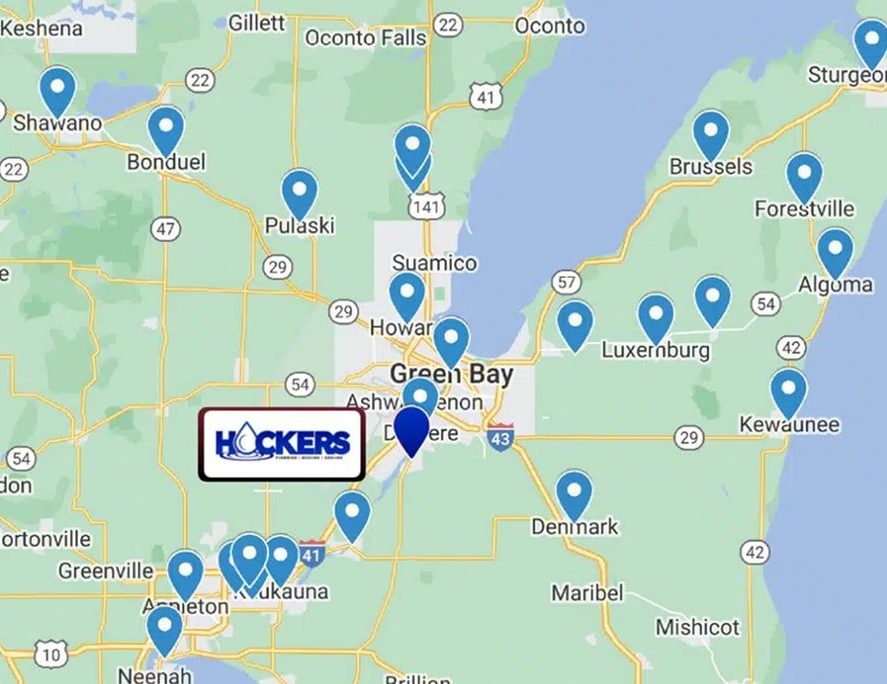


Hockers Home Services is proud to serve De Pere and the greater Green Bay area with reliable plumbing, heating, and cooling solutions designed to keep Wisconsin homes comfortable year-round. While many homeowners focus on keeping their home warm in winter and cool in summer, indoor air quality is just as important, especially in Northeast Wisconsin, where homes stay tightly sealed for much of the year.
Poor indoor air quality (IAQ) can quietly affect your health, comfort, and even your HVAC system’s performance. The challenge is that many of the symptoms develop gradually, making them easy to overlook. Knowing what to watch for can help you identify problems early and create a healthier, more comfortable home.
What Homeowners Need to Know About Indoor Air Quality
Indoor air quality refers to the condition of the air inside your home, including pollutant levels, humidity, airflow, and ventilation. Because modern homes in Green Bay and De Pere are designed to be energy efficient, they trap air inside, along with dust, allergens, and moisture.
In winter, homes are sealed tight to keep out freezing temperatures. In summer, high humidity adds another layer of stress. Without proper airflow and filtration, contaminants can build up and circulate through your HVAC system over time.
Common Symptoms of Poor Indoor Air Quality
Indoor air quality issues don’t always show up in obvious ways. Instead, they tend to appear through everyday discomforts that homeowners may not immediately connect to their air.
1. Persistent Allergy or Asthma Symptoms
If you or your family members experience ongoing symptoms such as:
- Sneezing
- Coughing
- Wheezing
- Itchy eyes or throat
your indoor air may be filled with allergens like dust mites, pollen, or pet dander. These particles circulate through your HVAC system and settle throughout your home, especially if filtration is inadequate.
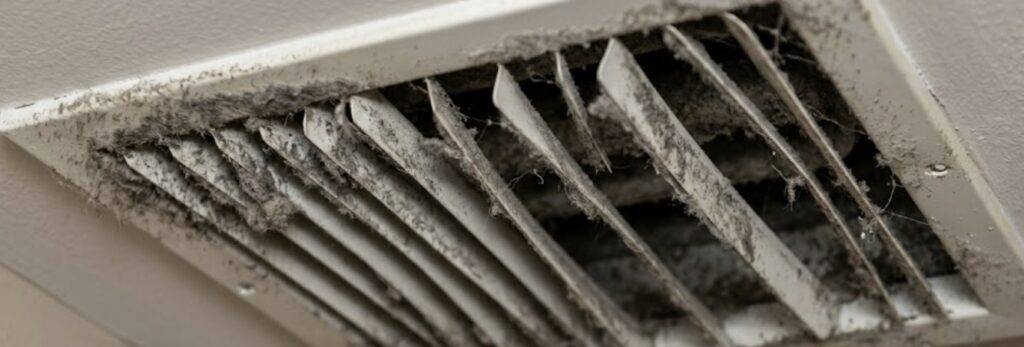
2. Excessive Dust Around Your Home
Dust buildup is one of the most visible signs of poor air quality. If surfaces become dusty shortly after cleaning, your home may have:
- Dirty or clogged air filters
- Leaky ductwork pulling in debris
- Poor ventilation
This dust doesn’t just sit on furniture, it moves through your air system and can reduce efficiency over time.
3. Lingering or Musty Odors
Unpleasant odors that don’t go away are often a sign of poor air circulation or contamination. These may include:
- Musty smells from mold or mildew
- Stale air from lack of ventilation
- Odors trapped in ductwork
If your home never seems to “air out,” your indoor air quality may be compromised.
4. High Indoor Humidity Levels
Humidity plays a major role in comfort. During Wisconsin summers, excess moisture can lead to:
- A sticky or heavy feeling in the air
- Condensation on windows
- Increased mold risk
High humidity makes your home feel warmer than it actually is, causing your AC to run longer and work harder.
5. Dry Air and Static in Winter
In colder months, the opposite issue occurs. Dry indoor air can cause:
- Dry skin and cracked lips
- Frequent static shocks
- Irritated sinuses
This is common in De Pere and Green Bay homes where heating systems run constantly and remove moisture from the air.
6. Uneven Airflow and Stuffy Rooms
If certain rooms feel stuffy or uncomfortable, poor air distribution may be the issue. This can be caused by:
- Blocked vents
- Dirty ducts
- HVAC system imbalance
When airflow is inconsistent, pollutants can build up in certain areas of your home.
7. Frequent Headaches or Fatigue
Poor indoor air quality can affect your overall well-being. Many homeowners report:
- Headaches
- Dizziness
- Fatigue
These symptoms may be linked to airborne pollutants, poor ventilation, or elevated carbon dioxide levels.
8. Visible Mold or Mildew
Mold is one of the most serious indicators of poor IAQ. It often appears in:
- Bathrooms
- Basements
- Around windows or vents
Mold spores can spread through your HVAC system, affecting air quality throughout your entire home.
What Causes Poor Indoor Air Quality in Wisconsin Homes?
Several factors contribute to IAQ problems, especially in Northeast Wisconsin where seasonal extremes play a major role.
Common causes include:
- Tightly sealed homes that limit fresh air exchange
- Dirty or neglected HVAC filters
- Excess moisture from leaks or humidity
- Dust and debris buildup in ductwork
- Use of household products that release airborne chemicals
- Pet dander and everyday indoor activity
Because homes in Green Bay are built to withstand harsh winters, they often trap indoor air for long periods—making filtration and ventilation essential.
How Poor Air Quality Affects Your HVAC System
Indoor air quality doesn’t just impact your health, it also affects how your heating and cooling system operates.
When your air contains dust, moisture, and contaminants:
- Filters clog more quickly
- Airflow becomes restricted
- System efficiency decreases
- Components wear out faster
Over time, this leads to higher energy bills and increased repair needs.
Real-World Scenario: A Common Wisconsin Home Issue
Imagine a typical summer in Northeast Wisconsin. Your AC is running regularly to combat both heat and humidity. At the same time, your home is sealed to keep cool air inside.
Now add:
- A slightly clogged air filter
- A bit of excess humidity in the basement
- Dust circulating through ductwork
Individually, these issues seem minor. Together, they create a noticeable drop in comfort:
- The home feels warmer than the thermostat setting
- Air feels heavy or sticky
- Energy bills increase
This is how poor indoor air quality gradually affects both comfort and system performance.
A Simple Indoor Air Quality Maintenance Checklist
Homeowners can take simple steps to improve air quality and prevent problems:
- Replace air filters every 1–3 months
- Keep vents and registers clean and open
- Monitor indoor humidity levels (ideal range: 30–50%)
- Use exhaust fans in kitchens and bathrooms
- Check for signs of moisture or leaks
- Schedule seasonal HVAC maintenance
These actions help maintain healthier air and improve system efficiency.
When to Consider a Professional Air Quality Assessment
Some IAQ issues require professional evaluation. You should consider scheduling an assessment if:
- Allergy symptoms persist indoors
- You notice recurring odors or humidity issues
- Your home feels consistently stuffy
- You suspect mold or hidden moisture
- Energy bills are rising without explanation
A professional assessment can identify the exact source of the problem and recommend targeted solutions.
Solutions for Improving Indoor Air Quality
Improving indoor air quality often involves a combination of solutions, including:
- Whole-home air filtration systems
- Air purifiers to remove contaminants
- Dehumidifiers to control moisture
- Humidifiers to add moisture in winter
- Duct cleaning and sealing
- Ventilation improvements
Hockers Home Services can help determine the right combination for your home based on local conditions and your specific needs.
Why Indoor Air Quality Matters Year-Round
In Northeast Wisconsin, indoor air quality changes with the seasons:
- Winter: Homes are sealed tight, trapping pollutants
- Spring: Pollen and allergens increase
- Summer: Humidity rises, affecting comfort
- Fall: Dust and debris circulate as systems switch modes
Without proper management, these seasonal shifts can impact both comfort and health.
Breathe Easier With Hockers Home Services
Your home’s air should support your comfort, not work against it. If you’re experiencing symptoms of poor indoor air quality, addressing the issue early can make a big difference.
Hockers Home Services has been serving De Pere, Green Bay, and Northeast Wisconsin for decades with trusted, family-focused service. Our team is here to help you improve your air quality, protect your HVAC system, and create a healthier home environment.
Call Hockers Home Services today to schedule an indoor air quality assessment and experience the difference clean, balanced air can make.
Hockers Plumbing, Heating, Cooling, & Electrical is proud to offer financing options through Ally!
We understand the wide variety of financial circumstances, and are proud to offer financing options in order to keep your home comfortable, starting today.
LEARN MORE